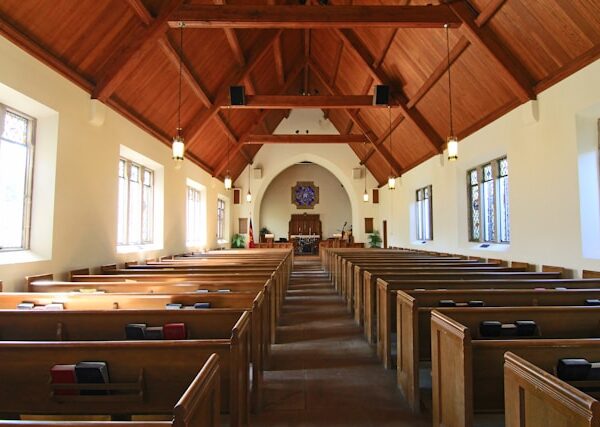
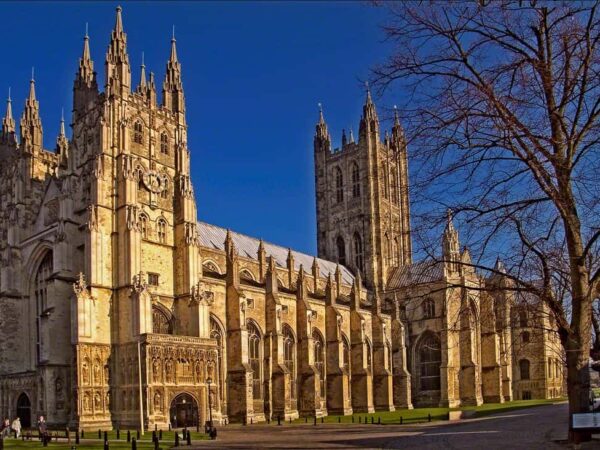
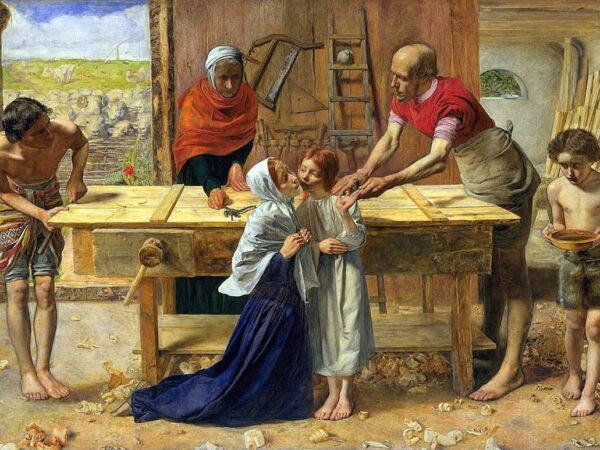
The Church of England, an integral part of the global Anglican Communion, has played a key role in Britain's religious, social, and political life for...

National Apostasy
In the wake of the Synod's decision to reject the appointment of women as bishops, the reactions were immediate and...

Anglican Mainstream responds to House of Bishops statement on civil partnerships and the episcopate
In response to the House of Bishops' recent statement regarding civil partnerships and their implications for the episcopate, Anglican Mainstream...

When the West Sides With Its Enemies
In moments of global crisis, history often reveals great individuals who rise to confront the challenges of their time. During...

Holistic Mission: Embracing a Comprehensive Approach in Anglican Ministry
In the landscape of modern ministry, the concept of holistic mission has emerged as a vital approach to addressing the...

Anglican but Not C of E: Exploring Anglicanism Beyond the Church of England
When one thinks of Anglicanism, the Church of England (C of E) often comes to mind. It is the most...
A Night of Fear and Faith: Rev. Paul Perkin’s Experience During the Looting
In the quiet hours of the night, as many were safely tucked away in their beds, Rev. Paul Perkin and...